
Why Pedal Drive Kayaks Cover More Water Faster

A long shoreline can look inviting until you realize how much water you want to cover in one outing. With a pedal drive kayak, you can move through more water faster while keeping your hands available for other tasks along the way. That combination appeals to anglers who want to spend less time paddling between fishing spots. It also changes the rhythm of a trip by letting your legs handle much of the propulsion. Let’s take a closer look at why it could be right for you.
Put Your Legs To Work
Pedal propulsion shifts the main workload from your arms to your legs. Since your leg muscles are well suited to repeated movement, pedaling can help you maintain steady propulsion over longer distances. Your pace will still depend on your conditioning and the environment around you.
You may notice the difference most when traveling between fishing areas. Instead of switching between paddling and handling your gear, you can keep pedaling while your hands remain available. As a result, you can move from traveling to fishing with fewer interruptions.
Keep Your Hands Available

The hands-free advantage becomes especially useful once you reach an area you want to fish in. Your feet can continue powering the kayak while your hands remain available for your rod. As a result, you don't have to stop pedaling every time you want to cast.
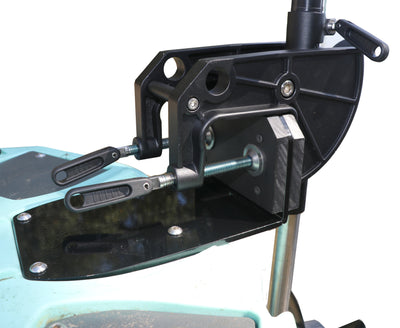
A fishing kayak with a pedal uses a foot-operated propulsion system instead of relying solely on a handheld paddle for movement. Depending on the drive system, pedaling operates fins or a propeller beneath the hull. You should still carry and know how to use a paddle because it remains useful for maneuvering and backup propulsion.
Fish While You Move
Keeping your hands available lets you fish a stretch of water while continuing to move. You can make small adjustments through the pedal system while preparing your next cast. Meanwhile, you spend less time switching between a paddle and your fishing rod. That continuity helps you keep moving along the shoreline without repeatedly stopping to paddle.
Cover Distance Efficiently
If your outing includes several fishing locations, a pedal drive kayak may help you cover more water faster without repeatedly interrupting your travel to manage a paddle. Your actual pace will still depend on your effort and the kayak you use.
A steady travel pace becomes useful when promising areas sit some distance apart. You can continue pedaling instead of stopping to pick up your paddle each time you change locations. That continuous motion gives you more time to focus on the places you want to fish in.
Make Travel More Practical
Speed alone doesn't define an efficient day on the water. Pedal propulsion reduces the need to put down your fishing gear whenever you want to get moving again.
You can also adjust your effort based on the distance ahead. A relaxed cadence may work for a short trip between fishing spots, while a stronger pace can help you cross a larger stretch of water. Keep your pace appropriate for your surroundings and your own ability.
Here are a few habits that can make pedal-powered travel easier:
- Settle into a pace you can maintain comfortably.
- Slow down as you approach shallow water.
- Watch for vegetation near the drive.
- Keep a paddle accessible while traveling.
- Adjust your effort as conditions change.
Control Your Position
You rarely spend an entire fishing trip traveling in a straight line. Once you arrive at a productive area, you may need to adjust your position as wind or current moves the kayak. A pedal system lets you keep moving while your hands remain available for fishing.
Some pedal systems also support reverse movement, though capabilities vary by model. If your drive offers that function, you can make some positioning adjustments without having to reach for your paddle. Check your specific drive's capabilities so that you know what movements it supports.
Respond While Fishing
Quick adjustments help when wind or current shifts your position during a cast. Instead of putting the rod down immediately, you may be able to use the pedals and steering controls to correct your course. However, you should always give navigation your full attention when obstacles or other watercraft are nearby.
Plan Around Conditions

Pedal propulsion doesn't remove the influence of wind or current. Stronger conditions can require greater effort, while calmer water may let you maintain your pace more comfortably. You should plan your route with those changes in mind rather than judging the entire trip by distance alone.
Your return trip deserves the same consideration. Conditions may shift while you're fishing, making the return trip harder. Therefore, keep enough energy in reserve and adjust your plans when the water becomes harder to manage.
Protect Your Pedal Drive
Because the drive operates below the water, inspect it regularly for debris or damage. Check the drive according to the manufacturer's instructions and look for anything that may interfere with normal operation. Inspect it again after striking or becoming tangled in underwater debris.
Careful handling becomes especially important when launching or landing in shallow areas. Raising or removing the drive when appropriate can help you avoid striking the bottom.
Keep these simple practices in mind around the drive:
- Inspect the system before heading onto the water
- Clear tangled vegetation when it's safe
- Follow the manufacturer's maintenance instructions
- Avoid forcing the drive against obstructions
- Check the unit after an unexpected impact
Choose Around Your Trips
The value of pedal propulsion depends partly on the type of outings you enjoy. If you regularly travel between fishing areas, hands-free propulsion may fit naturally into your routine. You can focus on maintaining a comfortable pace rather than constantly switching between paddling and fishing.
You should still consider the entire kayak rather than judging it only by the drive. Think about the water you use and the way you typically fish. A setup that matches those habits will serve you better than one chosen around speed alone.
Pedal propulsion gives you greater freedom to decide where the day takes you without making distance the focus of your outing. With less attention spent switching between paddling and fishing, you can stay engaged with the water and make better use of your time. Kaku Kayak offers pedal-drive kayaks built for anglers and outdoor enthusiasts ready to venture farther. Find the model that fits your next outing and see where your own two feet can take you.