
Safety Considerations for Kayak Fishing in Rivers

Imagine paddling down a serene river. The morning mist is lifting, and you know the bass are biting in that little eddy just around the bend. It feels peaceful, but rivers are dynamic environments that can change in a heartbeat. One minute you’re drifting lazily, and the next, a hidden log or sudden shift in current puts you in a tricky spot. This guide provides practical safety considerations for kayak fishing in rivers, so you can focus on the thrill of the sport.
Reading a River’s Current
Rivers are dynamic and always in motion. A gentle flow can turn into a powerful force after heavy rain, which changes how you paddle and fish. Look at a river map and find areas where the current might be stronger, like narrow channels or sharp bends.
You should also check the river's flow rate, often measured in cubic feet per second (CFS). You can find this information on websites for local water authorities or through paddling apps. A high CFS number means the water is moving fast and could be dangerous. A lower CFS indicates a calmer, more manageable current.
River currents aren’t always visible. Calm eddies behind rocks or logs are great for resting or fishing, but strong underwater currents can be unpredictable. Learning to read the water takes practice—start on slow, familiar rivers to build your skills and confidence.

Choose the Right Kayak and Gear
Not all kayaks are built for rivers. A stable, maneuverable kayak will serve you well when you need to react to changing currents or dodge obstacles. A sit-on-top kayak often gives you more freedom of movement, helping you cast and land fish.
A shorter kayak, around 10 to 12 feet, is typically easier to turn in tight spots. For those who want stability and performance, a hybrid fishing kayak can offer the best of both worlds.
Pack the Essentials
Your personal flotation device (PFD) is your most valuable piece of safety equipment. It should fit snugly and be comfortable enough to wear for your entire trip. An ill-fitting PFD can ride up or feel restrictive, which might tempt you to take it off.
Look for PFDs designed for paddlers, with large armholes that won't interfere with your paddling or casting motion. Always wear your PFD; it can save your life if you unexpectedly end up in the water.
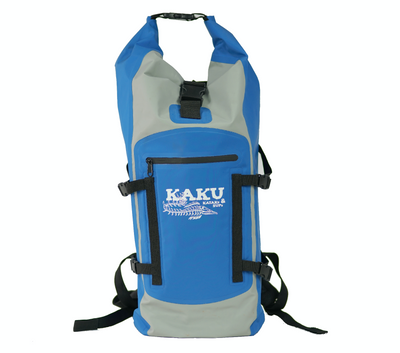
Other gear can also make your trip safer. A paddle leash keeps your paddle from floating away if you drop it. A dry bag protects your phone, keys, and other valuables. A signaling whistle is a simple but effective way to call for help if you get into trouble.
Pack a first-aid kit with supplies to handle minor cuts or scrapes. Having the right gear prepares you for the unexpected and provides peace of mind.
Inspect Your Equipment Before Each Trip
Take a few minutes to inspect your kayak and gear. Check the hull of your vessel for any damage that could take on water. Make sure all hatches are secure, and your seat is properly fastened. If you have a rudder or skeg, confirm it works correctly.
Your paddle also needs a look-over. Check the shaft for any cracks, and make sure the blades are secure. If you have a two-piece paddle, confirm the ferrule, which connects the two halves, is tight. Your PFD should be inspected for any tears or broken buckles. Give the straps a firm tug to secure them.
Don't forget to check your fishing gear. Secure your rods and tackle box so they won't fall out if your kayak tips. Loose gear can create a hazard and is easily lost in a river's current. This pre-launch routine only takes a few minutes, but it can prevent major headaches later.
Plan Your Route and Tell Someone
Spur-of-the-moment trips can be fun, but when it comes to river fishing, planning is a must. Study a map of the river and decide on your put-in and take-out points. Note any potential hazards along the way, such as rapids, low-head dams, or logjams. These obstacles can be dangerous, so it's best to know where they are and have a plan to avoid them.
Check the weather before heading out. Storms, high winds, and lightning can quickly turn dangerous on the water. If the forecast looks bad, reschedule—the fish can wait!
Always let someone know your float plan. Tell a friend or family member where you're going, when you plan to launch, and when you expect to be back. Give them the locations of your put-in and take-out spots. If your plans change, let them know. This simple step is a critical safety net.

Be Aware of Your Surroundings
Once you're on the river, stay alert. River conditions can change quickly. Pay attention to the water level and strength of the current. Watch for submerged logs, rocks, and other obstacles that could flip your kayak. These are often called "strainers" because water can pass through them, but a kayak or a person can get pinned against them. Give a wide berth.
Boat Traffic and Wildlife
Be mindful of other people on the river. Motorboats can create large wakes that can capsize a small kayak. Try to stay out of the main channels where they travel. If a boat is approaching, turn your kayak to face the wake head-on. This will help you ride over it instead of getting swamped from the side.
Wildlife is another factor to consider. While seeing a deer on the riverbank can be a highlight, other animals might require more caution. Be aware of snakes, especially in overhanging branches or along the shoreline. If you're fishing in an area with alligators or bears, follow local wildlife safety guidelines. Respect their space and avoid doing anything that might provoke them.
A Safer River Adventure
River fishing from a kayak offers a unique connection to nature and an exciting angling challenge. By keeping these safety considerations in mind, you can confidently enjoy kayak fishing while exploring beautiful rivers.
Kaku Kayak designs boats with the dedicated angler in mind, balancing stability and performance for various water conditions. Explore our collection and find a kayak that fits your fishing style!