
Kayak Hull Damage: When To Repair vs. Replace

A damaged kayak hull can change the way your boat moves through the water, and small issues tend to get worse. Cracks may spread and hidden warping may affect balance during longer trips. Because of this, paddlers should understand when to repair damage to a kayak’s hull and when to replace it before safety and performance begin to suffer. A careful inspection can help keep your kayak reliable for future outings.
Damage That Needs Repair
Some hull issues respond very well to repair work, especially when the surrounding material remains stable. Plastic welding, marine epoxy, and patch kits restore many recreational kayaks without affecting long-term performance. Therefore, quick action gives paddlers a better chance of extending the kayak’s lifespan.
Watch for these repairable warning signs:
- Shallow gouges that do not reach through the hull
- Small cracks shorter than several inches
- Limited dents caused by temporary heat exposure
- Loose fittings around hatches or mounts
- Minor seam separation near accessories
Surface Scratches
Scratches rarely affect safety unless they cut deeply into the plastic. Most recreational kayaks collect marks after repeated contact with docks and submerged branches. Therefore, paddlers should focus less on appearance and more on structural integrity during inspections. Sanding rough edges and smoothing damaged areas prevents future wear from getting worse.
Small Crack Repairs
Short cracks around seat mounts or storage areas usually respond well to welding or marine-grade sealants. Clean preparation improves repair quality because dirt and moisture weaken bonding strength. Additionally, paddlers should avoid rushing the curing process since weak repairs break apart quickly under pressure. Careful reinforcement around the damaged section helps prevent the crack from reopening later.
Structural Problems
Some hull damage affects the entire shape of the kayak instead of one isolated area. Warping changes the way the kayak tracks across open water, and severe deformation creates drag that tires paddlers faster. Typically, poor storage habits contribute to these issues because prolonged pressure bends plastic.
A severely warped hull rarely returns fully to its original shape. Heat treatments sometimes improve minor deformation, yet deep structural bends continue affecting stability after repair attempts. Therefore, paddlers should compare repair costs against replacement value before investing into major restoration work.
Water Intrusion Issues
Hidden leaks create problems that extend beyond visible cracks. Water trapped inside the hull adds weight and shifts balance unexpectedly during paddling sessions. Moreover, trapped moisture encourages internal deterioration around mounted hardware. A kayak that feels unusually heavy after short trips deserves a thorough inspection before returning to the water.

Material Makes a Difference
Material response varies after damage occurs. Polyethylene kayaks handle impacts very well, which explains why many recreational paddlers choose them for rivers and rocky shorelines. Fiberglass kayaks provide lighter weight and sharper performance, yet hard impacts create fractures that require more specialized repairs.
Composite materials demand greater attention during maintenance because improper repair methods weaken the surrounding structure. Therefore, owners should always match repair materials to the kayak’s original construction. A poor patch job may look solid initially, yet it usually fails under repeated stress.
Inspection Before Every Season
Seasonal inspections help paddlers catch damage. Spring preparation should include checking the hull exterior, inspecting hardware, and testing hatches for leaks. Therefore, a few minutes in the driveway prevents unpleasant surprises once the kayak reaches the water.
Paddlers should also examine the underside carefully after rough trips or accidental impacts. Rocks, submerged logs, and concrete ramps create damage that remains hidden beneath dirt or dried residue. Cleaning the hull thoroughly makes cracks and worn areas easier to spot before they worsen.
Check these areas closely during inspections:
- The keel line underneath the hull
- Areas around seat mounts and foot braces
- Scupper holes on sit-on-top kayaks
- Seams near storage compartments
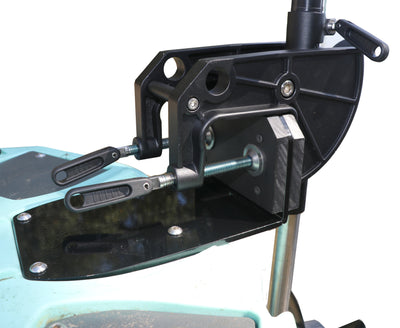
- Mounting points for accessories or motors

When Replacement Makes Sense
Some kayaks reach a point where repairs stop making financial or practical sense. Large structural fractures, widespread warping, and repeated leak problems usually indicate permanent decline. Therefore, paddlers should evaluate repair costs honestly before investing further into an aging hull.
Replacement becomes the smarter choice once safety and reliability start disappearing. A repaired kayak still needs to perform consistently in changing water conditions. Additionally, repeated repair work adds weight and alters the original hull balance over time. Spending heavily on temporary fixes rarely benefits paddlers in the long run.
Performance Changes
A damaged hull changes the paddling experience in ways many people overlook initially. Poor tracking forces constant correction strokes, which drains energy during longer outings. Moreover, instability becomes more noticeable in rough water or windy conditions. Performance issues usually worsen gradually, making them harder to identify at first.
Paddlers who fish or stand while kayaking should pay even closer attention to hull integrity. Stability plays a major role in safety during movement around the deck area. A weakened hull flexes differently under body weight, which affects balance and comfort on the water.
Stability and Hybrid Designs
The growing popularity of the hybrid kayak paddleboard category has introduced more versatile hull shapes into the market. These models combine the seated control of a kayak with the open standing platform of a paddleboard. Consequently, hull strength becomes even more important because paddlers shift positions more frequently during use. Wide hybrid hulls handle movement well, yet damage underneath the standing area deserves immediate attention.
Repair Costs Versus Value
Repair decisions should always account for the kayak’s condition and remaining value. Spending hundreds of dollars on major repairs makes little sense when the hull continues deteriorating elsewhere. Therefore, you should compare repair expenses against replacement pricing before committing to extensive work on your kayak.
A newer vessel with isolated damage deserves stronger repair consideration because the surrounding material still holds structural integrity. Older kayaks with repeated stress cracks tell a different story. Additionally, outdated hulls may lack replacement parts or compatible repair materials. Smart evaluation helps paddlers avoid sinking money into short-term solutions.
Paddlers who spend serious time on the water benefit from reliable equipment that supports confidence during every trip. Kaku Kayak continues earning attention from outdoor enthusiasts because stability and usability remain central to our designs. If your current hull struggles with repeated repairs or declining performance, explore updated options that support longer adventures today.