
How To Efficiently Organize Your Kayak for Fishing Success

Have you ever felt your kayak working against you on your fishing trips? You try to enjoy the day, but instead, you dig through a tangled mess of gear, wasting precious time while fish escape. Frustrating, right?
Here’s the truth: a disorganized kayak can ruin your focus and your chances of reeling in a great catch. But it doesn’t have to be this way. With a few smart tweaks, you can efficiently organize your kayak for successful fishing trips in a way that works for you.
Start With Your Storage Foundation
What storage options does your kayak have? Most fishing kayaks come with built-in compartments, but these aren't always positioned where you need them most.
Dry hatches are best suited for items you won't need during active fishing, such as spare clothes, first aid supplies, or backup batteries. Front compartments should house gear you'll use frequently, like extra lures or a backup rod.
Map Out Your Gear Zones
Divide your kayak into three distinct areas: immediate access, secondary reach, and long-term storage.
Your immediate access zone includes everything within arm's reach while seated. This typically covers the area from your seat to about two feet in front of you. Pliers, a net, a tackle box, and your primary rod belong here.
The secondary reach zone extends to areas you can access with minimal movement, perhaps leaning slightly forward or to one side. Extra lures, bait, and a second rod fit well in this space.
Long-term storage handles everything else, like your backup gear, safety equipment, and items you might need if weather conditions change.
Choose Your Tackle Wisely
Consider your target species and fishing location beforehand. If you're fishing for bass in shallow cover, pack soft plastics, jigs, and topwater lures. Skip the deep-water cranks and heavy jigs that you won't use.
Some anglers mistakenly bring their full-sized home tackle box, which creates more problems. Instead, go for a smaller, waterproof tackle box that fits comfortably in your immediate access zone. Stock it with only the lures and baits you'll realistically use during that specific trip.
This focused approach reduces decision paralysis on the water and prevents you from losing productive fishing time while digging through unnecessary options.

Manage Your Rod Storage
Rod storage presents unique challenges in kayaks. You need accessible but secure rods, especially when paddling between spots.
Flush-mount rod holders are great for travel rods, but not so much for the ones you're actively using. Side-mount holders give you easier access, though if they’re in the wrong spot, they can interfere with paddling.
Think about your fishing style when setting up rod holders. If you like casting while anchored, keep them close enough to reach easily from your seat. If trolling’s more your thing, place them where they won’t get in the way while you’re paddling.
Multiple Rod Considerations
Assign each rod for a specific purpose: one for topwater, another for bottom fishing, and a third for a backup.
Position your primary rod in the most accessible holder. Secondary rods can go in slightly less convenient spots, but you should still be able to access them without major repositioning.
Keep Bait and Lure Accessible
Live bait requires special consideration in kayak fishing. Traditional bait buckets work, although they can be cumbersome to handle in tight cockpit spaces.
Insulated bait containers that fit in cup holders or attach to your kayak gear offer better solutions. They keep bait fresh while staying within easy reach. For artificial lures, small tackle trays work better than deep tackle boxes. You can see everything at once and grab what you need without digging.
Place Essential Tools Within Reach
Certain tools, such as pliers, need to be instantly accessible during active fishing. Nothing's more frustrating than fighting a fish while your pliers sit in an unreachable compartment.
Attach pliers to a retractable cord and mount the anchor point where you can reach it with either hand. Your net needs similar accessibility, though it can handle being slightly farther since you typically have more time to grab it.
Line cutters, hook removers, and fish grips deserve spots in your immediate access zone. If you can't reach these tools while fighting a fish, they're poorly positioned, and you will miss out on opportunities.
Weather-Proof Your Setup
Your organization system needs to handle changing conditions without falling apart. Waterproof storage is crucial for electronics, spare clothes, and anything else that shouldn't get wet.
Strong winds can turn loose items into flying projectiles. Secure everything with clips, bungees, or lanyards. Even items in cup holders can blow out in gusty conditions.
If it starts raining, you’ll adjust your gear, so make sure you have a plan. Gear you might normally store in open areas will need covered protection, and you'll want quick access to rain gear without disrupting your entire setup.
Secure Your Safety Gear
Safety equipment can't be an afterthought in your organization plan. Personal flotation devices, signaling devices, and first aid supplies need secure storage that doesn't interfere with normal fishing activities. Don't bury them deep inside your pack; you'll want them within arm's reach when an emergency strikes.
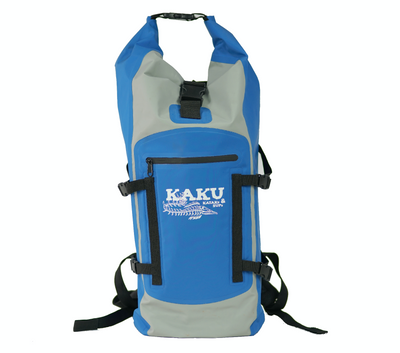
Some safety gear works double-duty. A bright-colored dry bag can store emergency supplies while serving as a signaling device if needed.

Distribute Weight Evenly
The way you organize gear affects how your kayak maneuvers in the water. Heavy items placed too far forward or back can make paddling difficult and reduce stability.
Store heavier items near your seating position when possible. Distribute weight evenly between port and starboard sides to prevent listing.
You can test your loaded kayak in shallow, calm water before heading to your fishing destination. You might need to adjust your gear based on how the kayak feels and tracks.
Transform Your Next Fishing Adventure
Organizing your kayak for fishing success reduces frustration and increases fishing time, which makes the effort worthwhile. Start with one or two zones, get those dialed in, then expand your system as you gain experience.
Remember, you’ll want to evaluate and adjust regularly. What works for bass fishing might not work for saltwater species. Seasonal changes, new gear acquisitions, and evolving techniques all require system updates.
At Kaku Kayak, we build kayaks for anglers who demand more. Our patented designs deliver unmatched stability, customizable storage solutions, and the durability to handle whatever you throw at them. Browse our collection and discover why serious fishermen choose Kaku for their on-water adventures.